

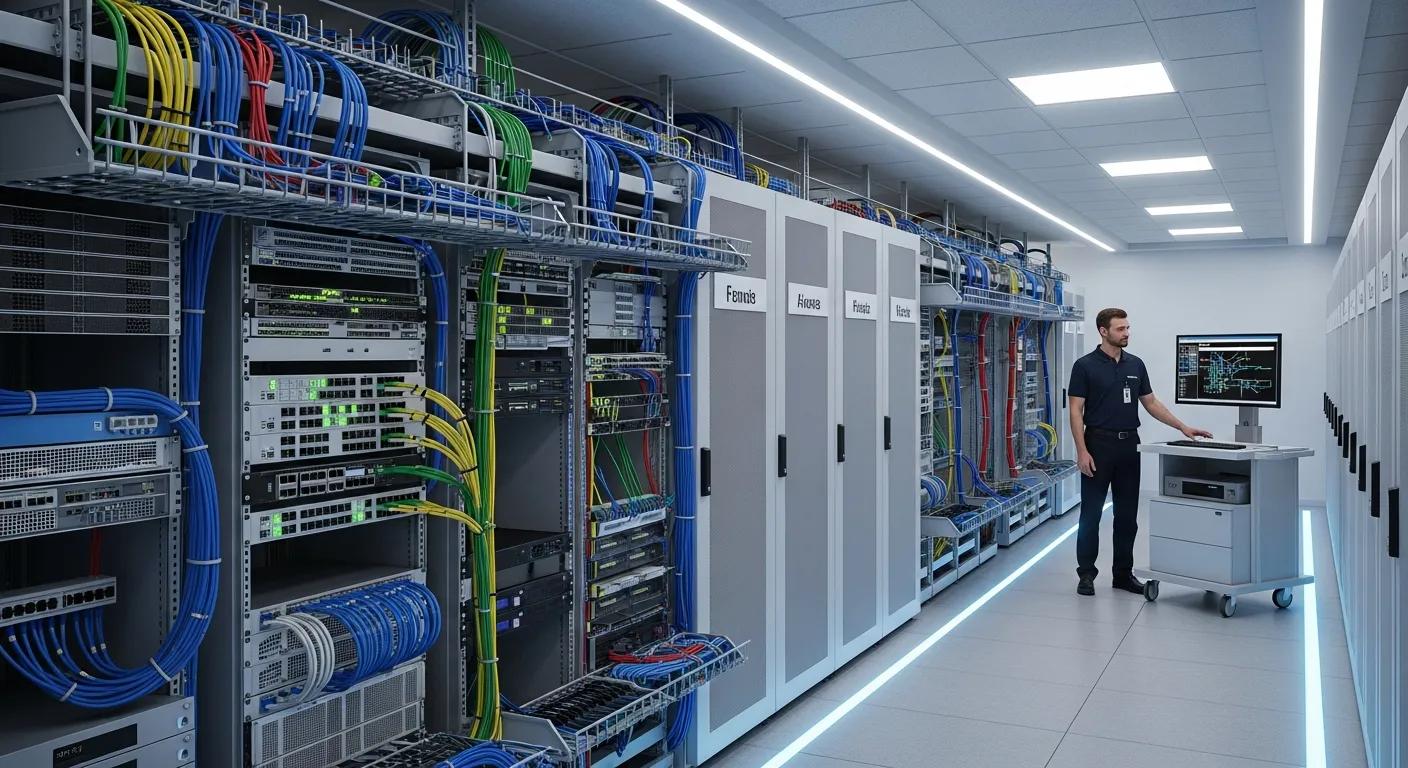
How Structured Cabling Improves Network Performance for San Antonio Businesses
How Structured Cabling Boosts Network Performance for San Antonio Businesses — Reliable, Scalable IT Infrastructure
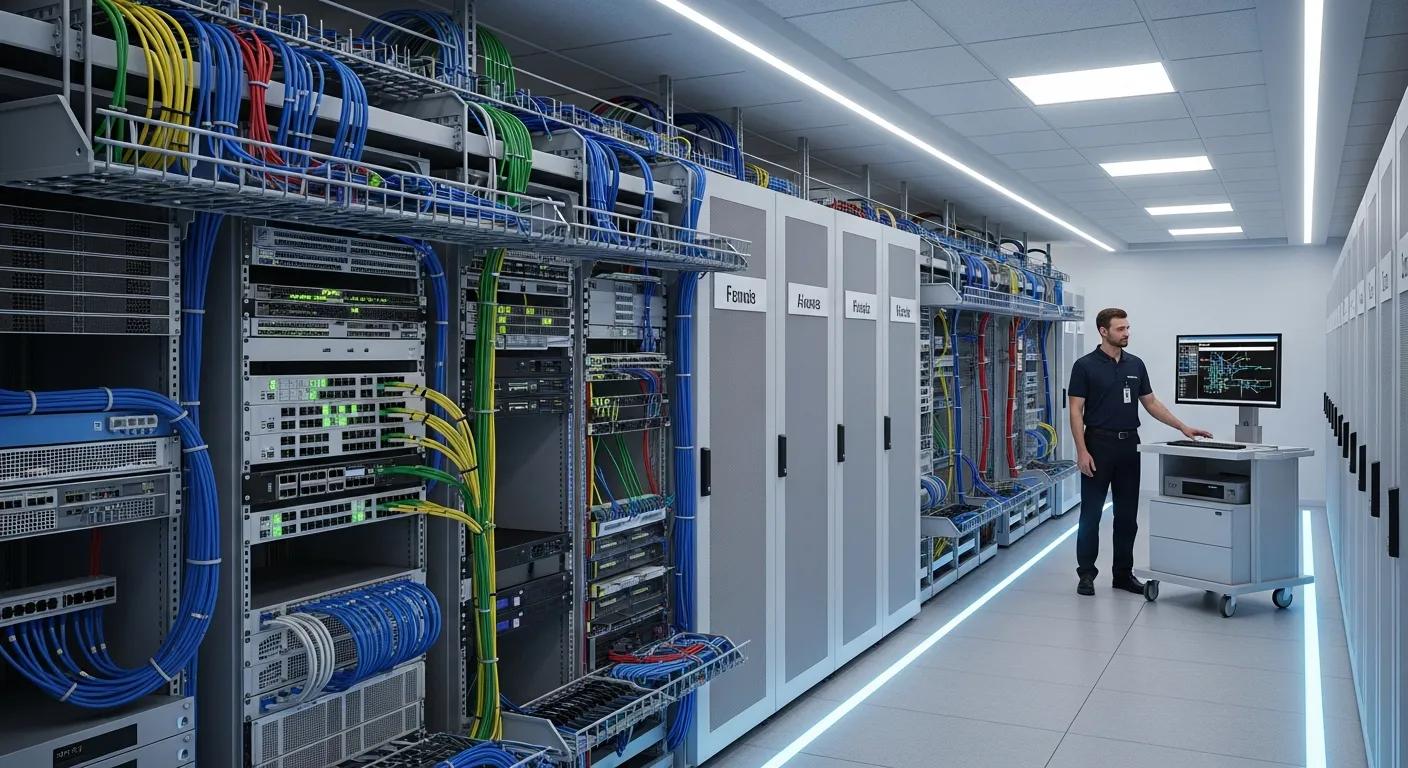
Businesses across San Antonio depend on fast, dependable networks to run every day. Structured cabling is the physical foundation of those networks — a tidy, standardized wiring system that keeps data flowing where it needs to go. This page explains how structured cabling improves performance, reduces downtime, and sets your IT environment up for growth. You’ll get a clear overview of core components, how structured cabling compares to legacy wiring, and why it’s a smart long‑term investment for industries like healthcare and legal. We’ll also outline how Evolution Technologies implements structured cabling solutions tailored to local businesses in San Antonio, Texas.
What Is Structured Cabling and How Does It Support Business Networks in San Antonio?
Structured cabling is a standardized cabling architecture and set of components that creates a unified telecommunications infrastructure. Built for flexibility and growth, it supports voice, data, and video across an office or building. When properly designed and installed, structured cabling keeps wiring organized, simplifies moves/adds/changes, and delivers consistent, high‑speed connectivity for today’s applications.
Industry practitioners describe generic cabling systems as a modular transmission framework that connects devices, equipment, and external networks while accommodating a range of components and protections.
Flexible, Modular Cabling for Modern IT Environments
Generic cabling functions as a flexible, modular information pipeline inside or between buildings. It connects voice, data, and image devices to internal systems and to external networks. The system includes all cabling and associated connection components between building connection points and application equipment. Generic cabling supports different transmission media and connection hardware—distribution frames, connectors, sockets, plugs, adapters—and can include electrical protection where required.
Cabling Engineering, 2022 BICSI|Telecommunications Industry Association (TIA)
What Are the Core Components of Structured Cabling Systems?
The main elements of a structured cabling system are:
- Cables: The physical mediums that carry data — examples include Cat5e, Cat6, and fiber optic cable. Each type has specific performance characteristics and use cases.
- Patch Panels: Centralized connection points that organize and route incoming and outgoing cables for easy management and troubleshooting.
- Racks: Equipment racks keep servers, switches, and other hardware neatly mounted and accessible, helping airflow and serviceability.
Together these parts create a reliable, maintainable backbone for your network.
How Does Structured Cabling Differ from Traditional Wiring Methods?
Structured cabling offers several clear advantages over ad‑hoc or legacy wiring:
- Flexibility: It’s designed to be reconfigured and expanded without ripping out walls or running chaotic cable routes.
- Scalability: As your business adds users and devices, structured cabling can support growth with minimal disruption.
- Performance: Properly specified cabling reduces interference and signal loss, supporting higher speeds and more reliable connections.
Those benefits make structured cabling the preferred approach for modern business networks.
How Does Structured Cabling Enhance Network Performance for San Antonio Businesses?

Structured cabling improves performance by delivering a clean, predictable wiring environment that supports consistent data rates and makes issues easier to diagnose. That reliability helps reduce downtime and keeps teams productive.
How Does Structured Cabling Boost Network Speed and Bandwidth?
Structured cabling is specified to support the throughput your business needs today and next year. Choosing higher‑grade copper (like Cat6) or fiber optic cabling minimizes signal loss and increases available bandwidth, so applications perform smoothly even under peak load.
In What Ways Does Structured Cabling Improve Reliability and Reduce Downtime?
Since structured cabling follows clear labeling, routing, and documentation practices, troubleshooting becomes faster and less error prone. Using quality components and professional installation also reduces hardware failures, which means fewer unexpected outages and quicker recovery when problems do occur.
How Does Structured Cabling Future‑Proof San Antonio Business Networks?
Technology changes quickly. A well‑designed structured cabling system gives you a stable platform that adapts to new hardware and services without costly rewiring.
What Scalability Benefits Does Structured Cabling Offer for Growing Businesses?
Structured cabling is built for expansion: adding workstations, wireless access points, or new server capacity usually requires only predictable changes rather than a full infrastructure rebuild. That lowers long‑term costs and shortens deployment time for new services.
How Does Structured Cabling Support Emerging Technologies Like IoT and 5G?

IoT, 5G backhaul, and other modern technologies demand reliable backplane connectivity. Structured cabling supplies the bandwidth and consistent latency those systems require, enabling you to connect more devices and collect data without creating new bottlenecks. For wireless network integration, Evolution Technologies’ wireless network solutions complement structured cabling to deliver seamless connectivity across your San Antonio business.
What Are the Industry‑Specific Benefits of Structured Cabling for San Antonio Businesses?
Different sectors have unique needs. Structured cabling can be tailored to meet performance, compliance, and security requirements across industries.
How Does Structured Cabling Address Healthcare Compliance and Performance Needs?
In healthcare, secure, high‑availability networks are critical. Structured cabling helps protect patient data and supports the bandwidth needs of medical devices and imaging systems, supporting compliance with regulations like HIPAA while keeping clinical systems responsive.
What Are the Advantages for Legal and Financial Services Regarding Security and Regulation?
Law and finance firms require strict controls over sensitive information. Structured cabling creates a manageable, auditable network framework that reduces unauthorized access risks and simplifies meeting regulatory obligations through clear labeling, documentation, and physical security measures. These security benefits are enhanced when combined with Evolution Technologies’ cybersecurity services designed specifically for San Antonio businesses.
What Is Evolution Technologies’ Approach to Structured Cabling Services in San Antonio?
Evolution Technologies delivers structured cabling with a practical, customer‑first approach: we assess needs, design for today and tomorrow, and install to industry standards so systems perform reliably from day one.
How Does Strategic Planning and Quality Installation Ensure Optimal Network Performance?
We start every project with a site assessment and capacity plan, then select components and topologies that match your goals. Professional installation—neat pathways, correct terminations, and careful labeling—ensures the infrastructure operates as intended and simplifies future changes. Our comprehensive IT services in San Antonio support ongoing network management and optimization.
What Testing, Certification, and Documentation Practices Are Followed?
Every install is tested and certified to accepted standards, and we provide complete documentation so owners and IT staff have a clear reference for maintenance and troubleshooting. That traceability gives you confidence that the network will meet performance expectations long term. See what clients say on our reviews.
What Common IT Challenges Does Structured Cabling Solve for San Antonio Businesses?
Structured cabling directly addresses the most common network pain points, helping teams work without unnecessary interruptions.
How Does Structured Cabling Resolve Slow Network Speeds and Bottlenecks?
Bottlenecks often come from mismatched or aging cabling and poorly planned network layouts. Structured cabling removes those variables by providing sufficient capacity and predictable paths for traffic, which reduces congestion and improves overall throughput.
In What Ways Does Structured Cabling Simplify Troubleshooting and Enhance Security?
Clearly labeled connections, centralized panels, and up‑to‑date documentation make it faster to find and fix problems. Physical organization and controlled access to networking closets also add a layer of security that helps protect sensitive systems and data.
Different cabling types deliver distinct performance characteristics that affect speed, bandwidth, and typical deployment scenarios.
| Cabling Type | Speed | Bandwidth | Typical Use Case |
|---|---|---|---|
| Cat5e | Up to 1 Gbps | 100 MHz | Small businesses |
| Cat6 | Up to 10 Gbps | 250 MHz | Office networks |
| Fiber Optic | Up to 100 Gbps or more | 10,000 MHz+ | Data centers and high-performance networks |
Ready to Upgrade Your Network Infrastructure?
Discover how structured cabling can transform your San Antonio business operations with reliable, scalable IT infrastructure. Contact Evolution Technologies today to schedule an appointment and receive a personalized consultation tailored to your needs.
Frequently Asked Questions
What are the cost implications of implementing structured cabling?
There is an upfront investment for materials and professional installation. That cost is offset over time by lower maintenance, fewer outages, and reduced need for emergency fixes or piecemeal upgrades. Think of structured cabling as a long‑term infrastructure investment that lowers total cost of ownership and supports future growth.
How long does it typically take to install a structured cabling system?
Installation time depends on site size and complexity. Small to mid‑sized offices often complete in a few days to a couple of weeks. Variables include existing conditions, number of drops, and any required pathway work. Good planning and coordination minimize business disruption.
What maintenance is required for structured cabling systems?
Structured cabling needs minimal routine maintenance. Regular checks for physical damage, correct labeling, and clean connections help prevent issues. Keeping documentation current and scheduling periodic inspections or certification tests will extend the system’s useful life.
Can structured cabling support wireless networks?
Absolutely. Wireless networks rely on wired backhaul to carry traffic from access points to the rest of the network. Structured cabling provides reliable, high‑capacity connections for APs so your wireless coverage delivers consistent performance. Learn more about our wireless network solutions for San Antonio businesses.
What are the environmental benefits of structured cabling?
By using durable, high‑quality components and reducing the need for frequent rewiring, structured cabling lowers material waste and energy used for repeated installations. Its modular nature also makes upgrades more efficient and reduces electronic waste over the system’s lifetime.
How does structured cabling enhance data security?
Structured cabling helps secure physical network access through controlled closets, labeled ports, and documented layouts. When combined with logical security measures—encryption, access controls, monitoring—the physical infrastructure reduces the risk of accidental or unauthorized connections and makes security audits simpler. For comprehensive protection, consider pairing structured cabling with Evolution Technologies’ cybersecurity services.
Conclusion
Structured cabling is the practical foundation for reliable, high‑performance networks. For San Antonio businesses, it delivers predictable speeds, easier maintenance, and the flexibility to grow without costly rewires. If you want a network built to support today’s applications and tomorrow’s demands, reach out to Evolution Technologies in San Antonio, Texas — we’ll help design and deploy a solution that fits your needs.