

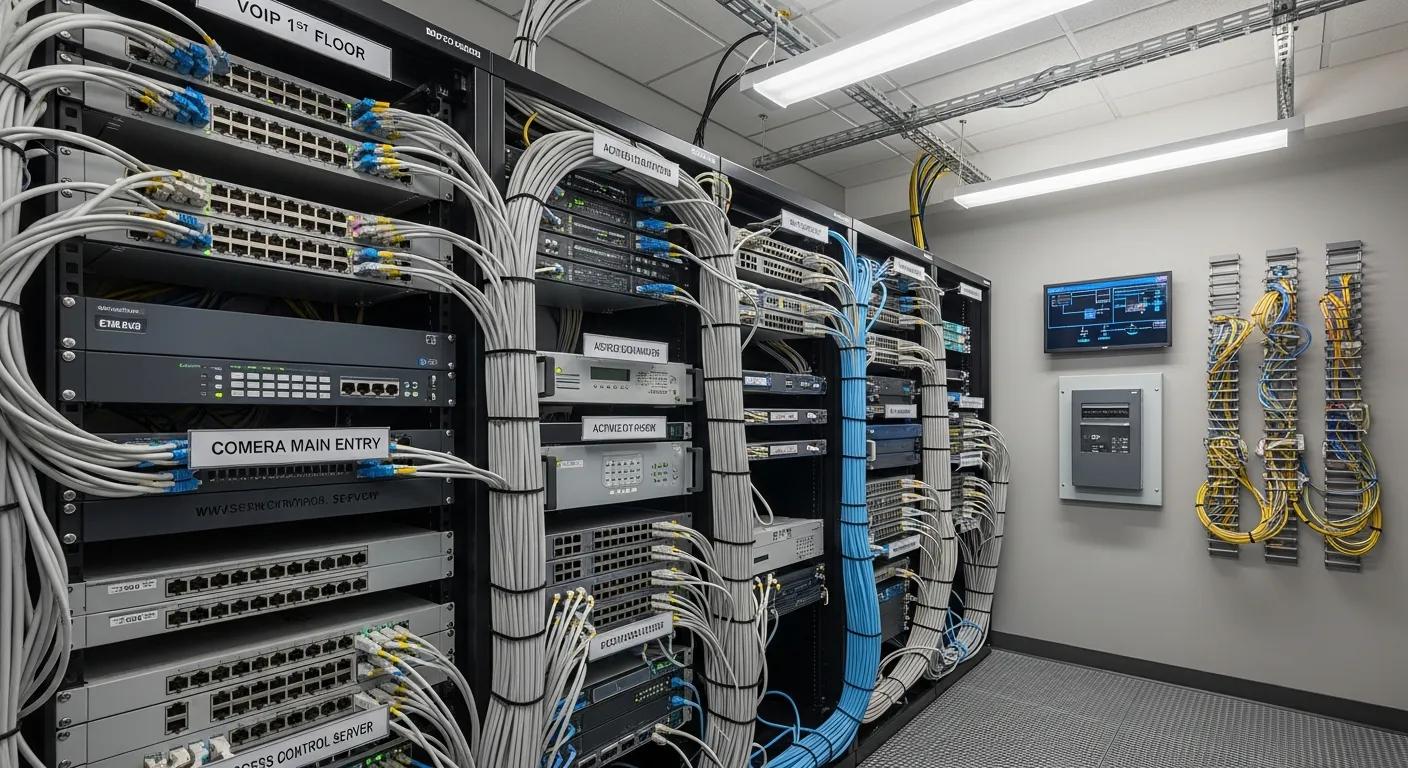
Structured Cabling for VoIP, Security Cameras, and Access Control in San Antonio
Structured Cabling in San Antonio: Reliable VoIP, Security Camera, and Access Control Infrastructure
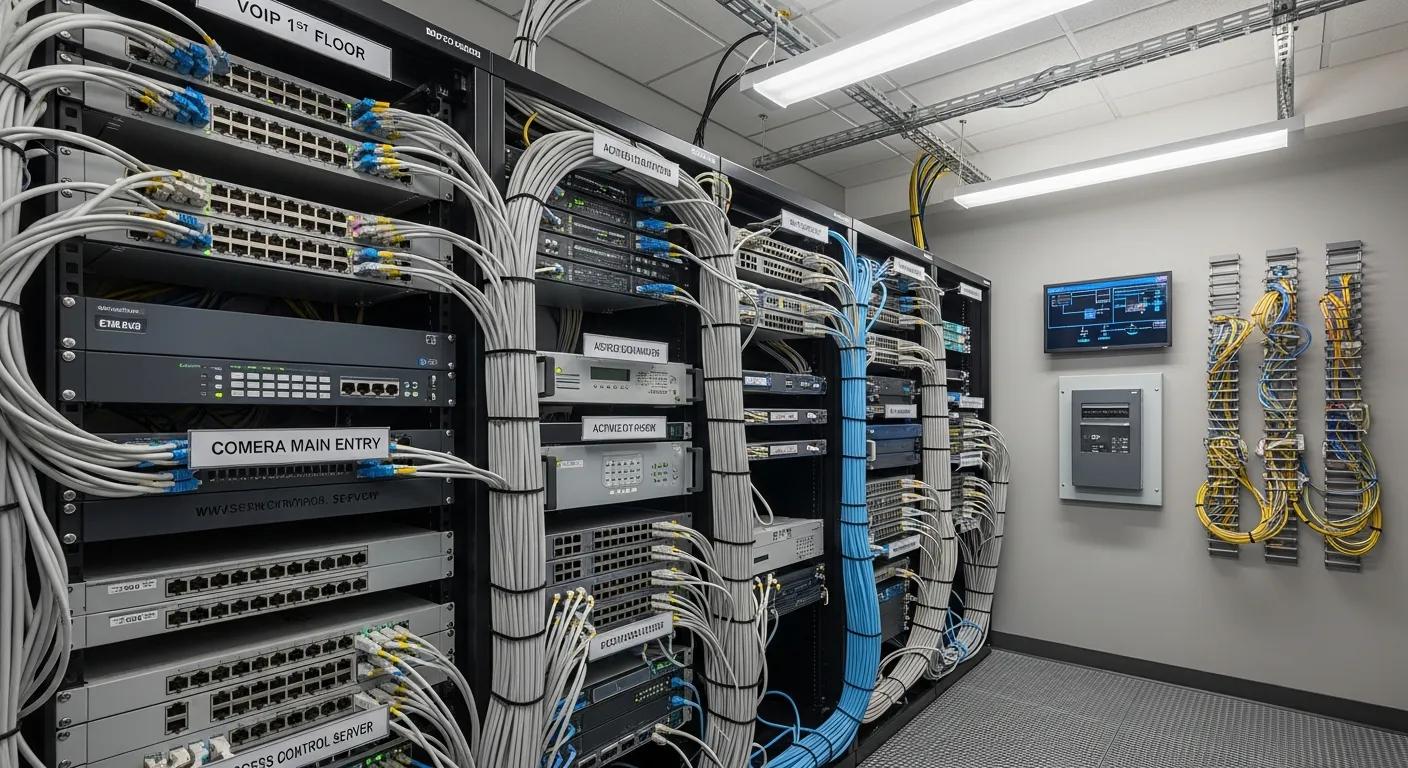
In today’s fast-moving workplace, structured cabling is the backbone of dependable communications and security. This guide explains why properly designed cabling matters for VoIP, IP cameras, and access control—especially for businesses in San Antonio. You’ll see how structured cabling improves network performance, keeps data flowing cleanly, and supports the technologies your team depends on. We’ll define structured cabling, show its impact on phones and surveillance, outline access control wiring needs, and review the cabling standards that best support these systems.
What is structured cabling and why it matters for San Antonio businesses
Structured cabling is a consistent, standards-based approach to building a company’s physical network. Rather than one-off cables and shortcuts, it gives you an organized framework that supports multiple systems—phones, data, cameras, and security—on the same infrastructure. The result is fewer outages, easier troubleshooting, and room to grow. For San Antonio organizations that rely on fast, secure communications, investing in structured cabling protects daily operations and future-proofs your site.
How structured cabling strengthens network infrastructure and data flow
When cabling is planned and installed correctly, your network becomes more predictable and resilient. Structured cabling reduces latency, cuts down on interference, and helps maintain consistent throughput. Using quality cable and correct terminations keeps VoIP calls clear and video streams stable—critical for workloads that depend on real-time data and uninterrupted connections.
Key components of a structured cabling system
The main elements are the cables themselves (for example Cat5e, Cat6, Cat6A, or fiber), patch panels that organize connections, and reliable connectors and jacks. Together these parts create a manageable backbone for all your network devices. Knowing what each component does makes it easier to plan upgrades or troubleshoot issues without disrupting operations.
How structured cabling improves VoIP phone systems in San Antonio
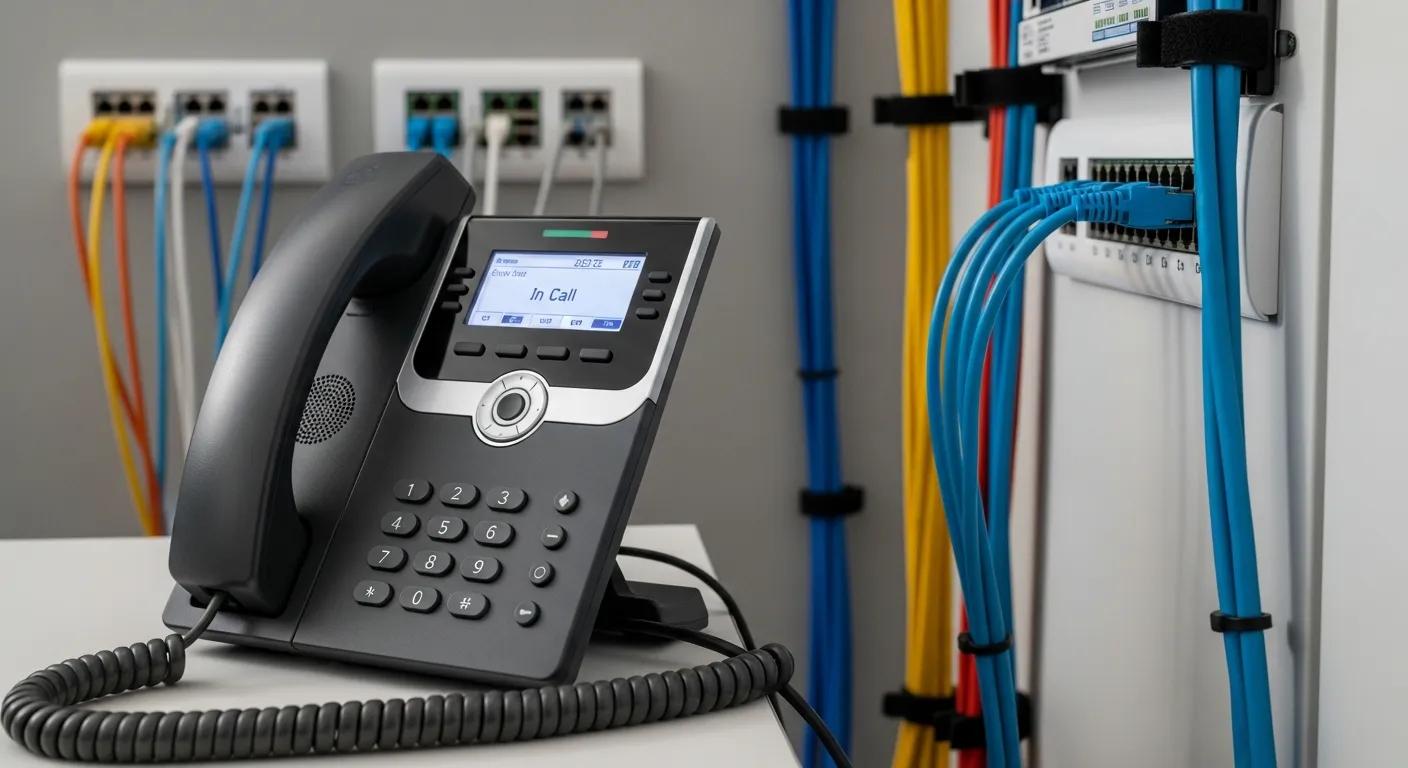
VoIP depends on consistent bandwidth and low jitter. Structured cabling delivers the physical reliability VoIP needs so calls are clear and dropped calls are rare. Good cabling is one of the quickest ways to improve voice quality and reduce support headaches.
Which cable types optimize VoIP call quality?
Cat5e and Cat6 are common choices for voice. Cat6 offers higher bandwidth and better resistance to crosstalk, which helps maintain call clarity—especially in busy environments. Choosing the right cable comes down to current needs, expected growth, and your budget.
Best practices for VoIP cabling installation
Follow industry standards for cable routing and terminations, label connections clearly, and test every run. Proper cable management reduces stray interference and makes future moves or adds straightforward. Regular certification testing ensures performance stays within spec and avoids surprises during critical calls.
How structured cabling supports reliable IP security camera wiring
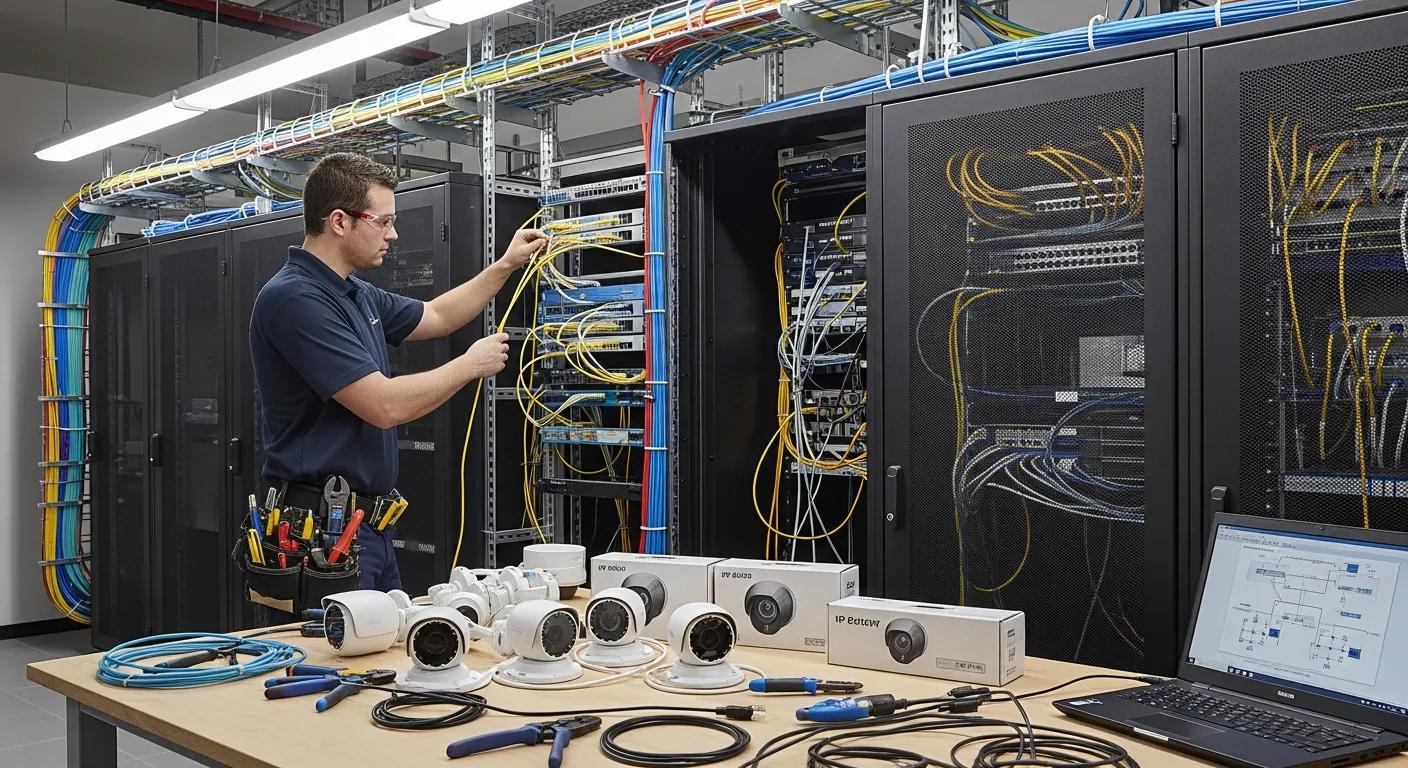
IP cameras demand steady bandwidth and, often, centralized power. Structured cabling ensures video feeds reach your NVR or VMS without packet loss or dropped frames, so surveillance stays effective and searchable.
What role does Power over Ethernet (PoE) play in camera installations?
PoE lets a single cable carry both power and data to a camera, eliminating separate electrical runs and speeding deployment. That simplicity also makes camera placement more flexible while reducing installation cost and complexity.
How to future-proof camera infrastructure with structured cabling
Plan cable runs and pathways with capacity in mind—use higher-grade copper or add fiber for long distances. Leave spare strands and conduit access where possible so you can add higher-resolution cameras or additional cameras without redoing the whole cabling system.
What are the wiring requirements for access control in San Antonio
Access control depends on reliable connections between readers, locks, controllers, and the central security system. Structured cabling provides the consistent wiring layout needed to keep those devices communicating securely and predictably.
How structured cabling integrates card readers and biometric systems
Card readers, biometric readers, and door controllers tie into the structured cabling backbone just like any other networked device. Proper terminations, power provisioning (when needed), and secure routing ensure these devices work together without interference or unauthorized access.
Why professional access control wiring matters for physical security
DIY wiring can leave gaps—miswired locks, poor seals, or undocumented runs that create blind spots. Professional installation follows standards, documents the layout, and reduces risk so your physical security does what it’s supposed to do: keep people and property safe.
Which cabling standards and types best support VoIP, cameras, and access control?
Choosing the right cabling depends on performance needs, distance, and anticipated growth. Below are common options and where they fit.
How Cat5e, Cat6, Cat6A, and fiber compare for business use
| Cabling Type | Bandwidth | Distance | Use Case |
|---|---|---|---|
| Cat5e | 1 Gbps | 100m | Basic VoIP and general data |
| Cat6 | 10 Gbps | 55m (up to 100m at 1 Gbps) | Higher-performance VoIP, video, and small-scale data needs |
| Cat6A | 10 Gbps | 100m | Future-proofing for higher bandwidth applications |
| Fiber Optic | 100 Gbps+ (depending on specs) | Long distances (up to kilometers) | High-speed backbone links and long-run video/data transmission |
Which TIA/EIA standards apply to structured cabling in San Antonio?
The TIA and EIA publish standards like TIA‑568 that define performance and testing requirements for structured cabling. Following these standards ensures installations meet accepted telecom practices, perform reliably, and are easier to maintain over time.
Why choose Evolution Technologies for structured cabling in San Antonio?
Picking the right cabling partner means choosing a team that understands local needs and delivers consistent, code-compliant work. Evolution Technologies brings that local expertise and a security-first approach to every project.
How our local technicians deliver tailored, security-first cabling solutions
Our San Antonio team evaluates your site, anticipates future growth, and designs cabling that supports both performance and security. We focus on practical, documented installations that integrate with your existing systems and minimize disruption.
What San Antonio clients say about our structured cabling work
Local clients consistently point to improved network stability, clearer voice and video, and smoother expansions after we complete projects. Their feedback highlights the measurable value of a properly implemented cabling plan.
To learn more about our services and how we can help your business, visit the Evolution Technologies home page.
Frequently asked questions
What should businesses evaluate when choosing a structured cabling provider?
Look for proven experience on similar sites, clear documentation practices, and knowledge of relevant standards. Ask about testing and certification processes, warranties, and how the provider plans for future upgrades. Client references and case studies are also helpful to confirm consistent results.
Can structured cabling improve my cybersecurity?
Yes. Neat, documented cabling reduces accidental exposure points and makes it easier to segment networks and place security appliances where they belong. While cabling itself isn’t a cybersecurity solution, a well-designed physical network supports stronger logical security controls.
What maintenance should be done on structured cabling?
Periodic inspections, retesting of critical runs, and keeping connection closets tidy are good practices. Maintain up-to-date cabling documentation and label changes so future technicians can work efficiently. Proactive checks help avoid downtime and prolong the system’s useful life.
How does structured cabling support the Internet of Things (IoT)?
Structured cabling gives IoT devices a reliable, scalable way to connect. With proper planning, you can add sensors, access points, and controllers without overloading the network—keeping data flows clean and manageable as device counts grow.
What environmental issues should be considered for cabling installations?
Choose materials that meet regulatory and sustainability standards where required, such as RoHS-compliant products. Proper routing avoids heat sources and moisture, and efficient installation practices reduce waste. These choices help the system last longer and align with corporate sustainability goals.
Can I upgrade my cabling without replacing everything?
Often yes. Many systems can be selectively upgraded—replacing key runs with Cat6/6A or adding fiber where needed—so you get improved performance without a full rip-and-replace. A professional assessment will identify the most cost-effective upgrade path.
Conclusion
Structured cabling is a practical investment for San Antonio businesses that depend on reliable VoIP, surveillance, and access control systems. It reduces downtime, simplifies maintenance, and makes future upgrades straightforward. Working with a local, experienced provider like Evolution Technologies helps ensure a secure, well-documented installation that supports your operations today and scales with your needs tomorrow. Reach out to learn how we can improve your network foundation.