Business Backup and Disaster Recovery Planning
Reliable Backup & Recovery Solutions
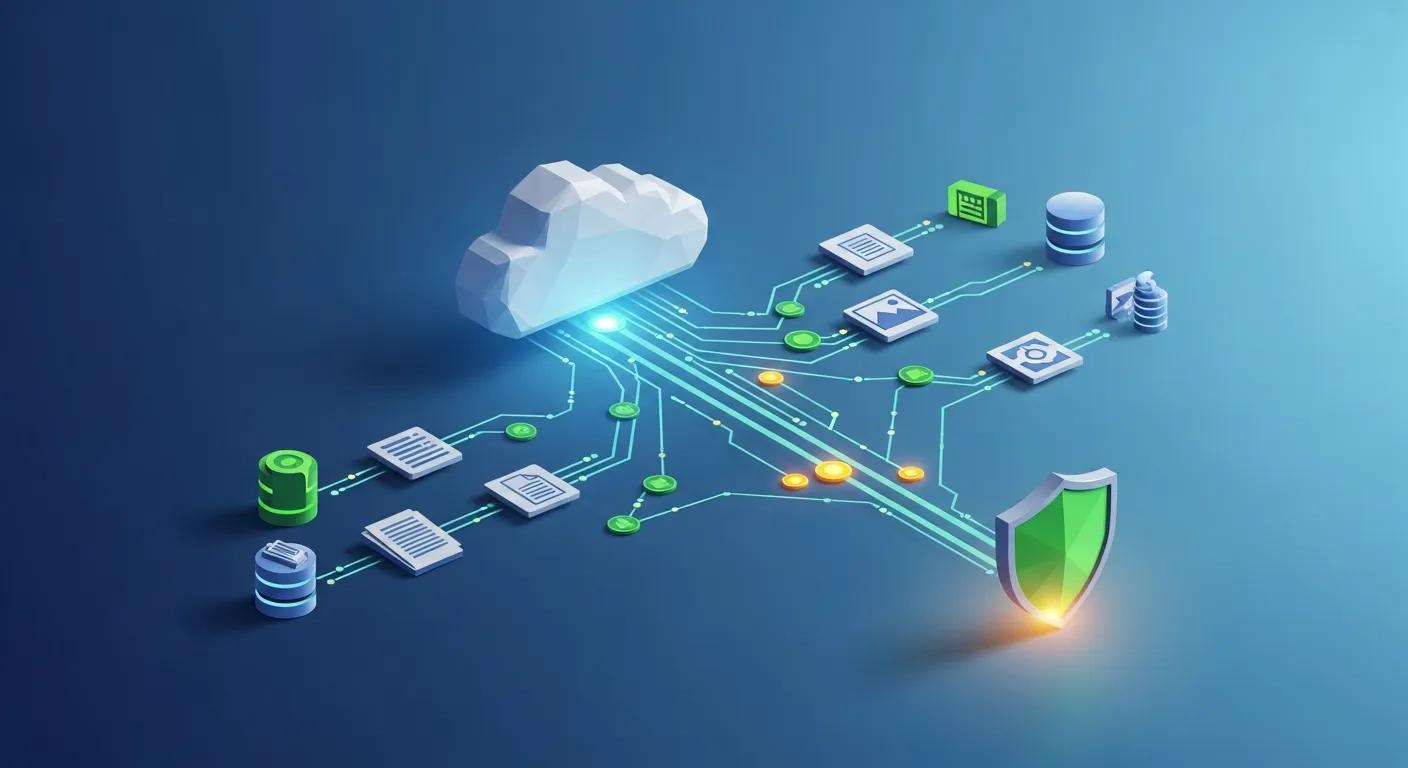
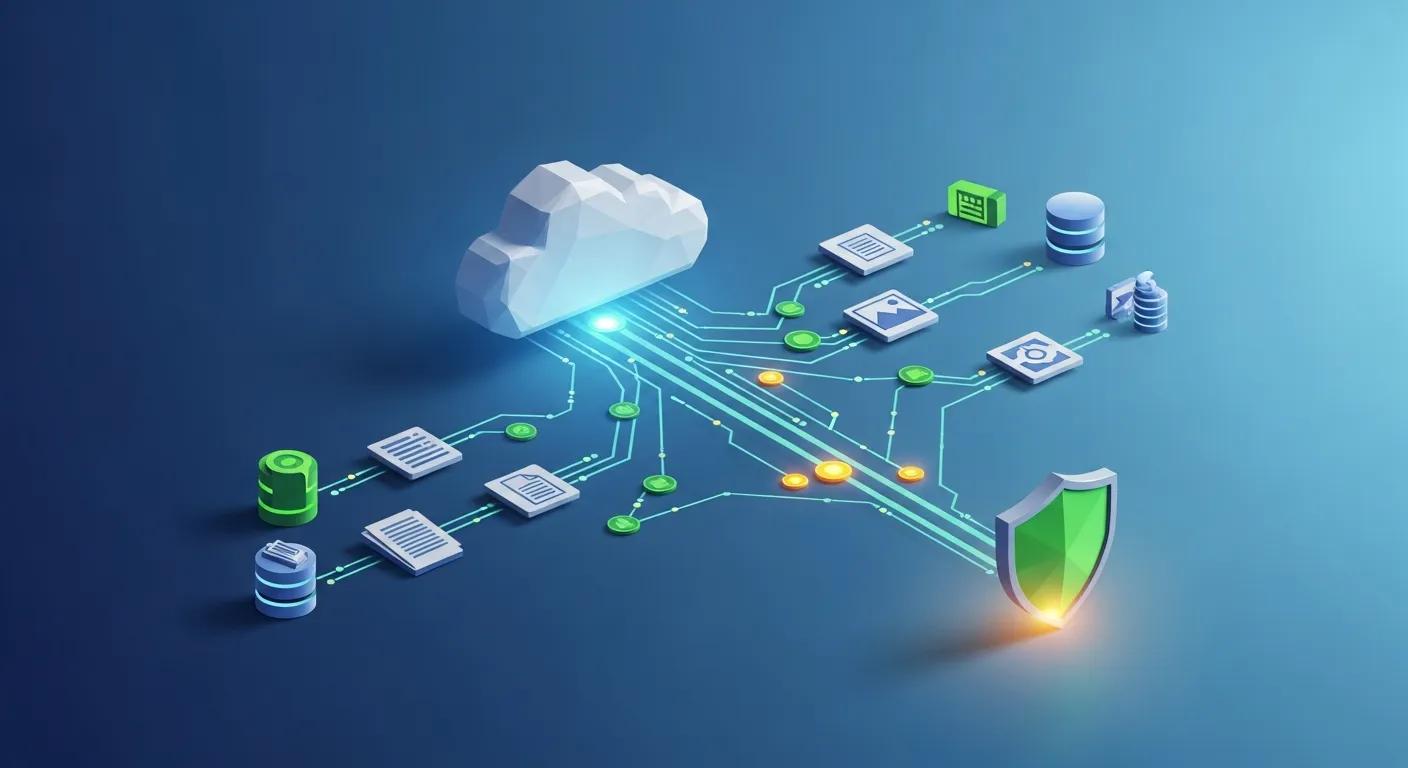
Businesses face growing threats that can disrupt operations and compromise data. Effective backup and disaster recovery planning preserves continuity and protects critical information. This article explains managed backup services, how to build disaster recovery plans, and the advantages of cloud and hybrid backup solutions, with guidance for small and medium-sized businesses in San Antonio, Texas. Local expertise from Evolution Technologies ensures tailored support for businesses in the San Antonio area.
What Are Managed Backup and Recovery Services?
Managed backup and recovery services deliver scheduled, monitored backups to secure locations and provide validated recovery processes. They reduce downtime, limit data corruption, and support regulatory obligations. Partnering with a trusted provider of managed IT services like Evolution Technologies in San Antonio can help businesses implement these critical safeguards effectively.
How Do Managed Backup Services Support Business Continuity?
By enforcing consistent backup schedules, tested recovery procedures, and verified restores, managed services help organizations quickly restore systems and meet compliance requirements while limiting financial and reputational risk from data loss. These services align with frameworks such as the NIST Cybersecurity Framework, which provides standards for backup security and recovery.
What Are the Benefits of Hybrid Cloud Backup Solutions?

Hybrid cloud backup solutions combine on-premises and cloud storage to balance local performance with cloud scalability. They support automated backup, faster recovery for critical systems, and flexible cost models. Local San Antonio businesses benefit from hybrid solutions offered by IT solutions providers like Evolution Technologies, who understand regional compliance and operational needs.
Research highlights hybrid cloud's role in continuity and compliance, especially in regulated sectors such as healthcare.
Hybrid Cloud for Business Disaster Recovery & Compliance
In 2025, hybrid cloud solutions continue to evolve as a cornerstone for business disaster recovery and compliance strategies. These solutions integrate on-premises infrastructure with advanced cloud capabilities, offering enhanced automation, real-time data synchronization, and robust cybersecurity features. The latest hybrid cloud architectures facilitate seamless failover, continuous data protection, and compliance with emerging regulations across industries. By leveraging AI-driven analytics and adaptive security protocols, businesses can minimize downtime and ensure data integrity even in complex threat landscapes. This approach supports compliance with updated standards such as HIPAA, GDPR, CCPA, and new federal guidelines, making hybrid cloud an indispensable tool for resilient and compliant disaster recovery.
Hybrid Cloud Disaster Recovery and Compliance Innovations, J. Smith & L. Chen, 2025
- Comprehensive DataProtection: Store data in multiple locations to reduce loss risk.
- Rapid Recovery Capabilities: Restore from local or cloud backups to minimize downtime.
- Cost Efficiency: Use cloud resources to control storage costs while maintaining security.
Hybrid offerings vary by features such as encryption, retention controls, and replication options; compare them on those criteria.
| Solution Type | Storage Method | Recovery Speed | Cost Efficiency |
|---|---|---|---|
| On-Premises | Local storage | Fast | Moderate |
| Cloud-Based | Remote storage | Moderate | Cost-effective |
| Hybrid | Both local and cloud | Very Fast | Cost-effective |
Overall, hybrid solutions commonly offer stronger data protection and faster recovery for business continuity.
Backup and disaster recovery strategies remain a key area of development, particularly in multi-cloud environments.
Multi-Cloud Disaster Recovery & Data Backup Strategies
Companies mostly depend on data in the new digital environment; hence, sustaining resilience and continuity depends on backup planning and disaster recovery (DR). Common multi-cloud architectures must allow businesses to manage advanced storage systems characterized by data distribution across many cloud providers. Conventional backup plans for dynamic environments show security flaws, inefficiency, and compliance difficulties. Modern storage choices, analytics driven by artificial intelligence & the improved backup system automation are changing how businesses protect their critical information. While simultaneously reducing downtime, modern cloud-based disaster the recovery methods must also handle basic issues such as cost-effectiveness, data redundancy, latency & the regulatory compliance.
Disaster recovery and data backup optimization: Exploring next-gen storage and backup strategies in multi-cloud architectures, AAM Syed, 2024
Schedule your consultation with Evolution Technologies
San Antonio businesses looking to enhance their backup and recovery strategies can benefit from expert guidance. Contact Evolution Technologies for tailored technology solutions that fit your unique needs and ensure compliance with local regulations.
How to Develop Effective Disaster Recovery Plans for Regulated Industries

For regulated industries, a clear, tested disaster recovery plan minimizes downtime and ensures compliance. Plans should list recovery steps, owners, and dependencies for critical systems and data. Local healthcare providers can leverage specialized healthcare IT services from Evolution Technologies to meet stringent requirements.
- Risk Assessment: Identify threats and vulnerabilities.
- Regular Testing: Run drills to validate procedures and uncover gaps.
- Compliance Considerations: Map controls to applicable regulations and standards.
Which Compliance Standards Must Be Addressed in Disaster Recovery?
Common regulations include HIPAA for healthcare and GDPR for personal data protection. Address availability, integrity, retention, and access controls to remain compliant. Businesses in San Antonio should also consult federal business continuity guidance to align their plans with national standards.
What Are Best Practices for IT Disaster Recovery Planning?
- Documented Procedures: Keep clear recovery runbooks and contact lists.
- Regular Testing: Schedule restores and tabletop exercises.
- Prioritization of Critical Systems: Restore systems that enable core operations first.
These practices reduce recovery time and support confident incident response.
Why Choose Cloud Backup Services for Business Data Protection?
Cloud backup automates offsite protection, reducing local risk and manual effort. Key benefits include automated schedules, fast restores, and lower on-premises infrastructure needs. San Antonio companies can enhance their cybersecurity posture by integrating cloud backup with cybersecurity services from local experts like Evolution Technologies.
- Automatic Backups: Reduce human error with scheduled backups.
- Quick Recovery: Restore data from the cloud to reduce downtime.
- Cost Efficiency: Lower capital expense by shifting storage to the cloud.
How Does Cloud Backup Enhance Data Availability and Security?
Cloud providers offer encryption, access controls, and offsite storage to protect data integrity and improve availability during local failures.
What Are Key Features of Cloud Backup Solutions for SMBs?
- Scalability: Adjust storage as needs change.
- Compliance Support: Built-in features to help meet regulations.
- User-Friendly Interfaces: Simplified management for small IT teams.
These features make cloud backup solutions practical for SMB data protection.
How Can Businesses in San Antonio Ensure Compliance and Security in Backup Solutions?
Local businesses should assess current backups, apply strong security controls, and keep policies aligned with changing regulations. Leveraging wireless network solutions alongside backup strategies can further enhance operational resilience.
- Conduct Professional Assessments: Use experts to find gaps and recommend improvements.
- Implement Strong Security Measures: Use encryption, access controls, and audits.
- Stay Informed on Compliance Requirements: Update policies as laws evolve.
What Are HIPAA and GDPR Requirements for Data Backup?
HIPAA requires secure, retrievable backups for protected health information; GDPR requires protection against loss and unauthorized access with clear retention policies.
Organizations handling large datasets should apply controlled retention and strong safeguards to meet compliance and reduce risk.
Secure Data Backup for Compliance & Risk Mitigation
organizations find it more difficult to ensure data confidentiality, integrity, and compliance with strict criteria since ML systems depend more on large volumes of data for training, analysis, and predictive modeling than others. All of which ML-driven organizations cope with without strong backup plans run through data loss, regulatory non-compliance, & operational disruptions. Emphasizing their relevance in preserving high availability, ensuring compliance with laws including the General Data Protection Regulation (GDPR) and the Health Insurance Portability and Accountability Act (HIPAA), and so on, reducing risks associated with data corruption, breaches, and accidental loss, this paper investigates safe data backup strategies customized for ML environments.
Secure Data Backup Strategies for Machine Learning: Compliance and Risk Mitigation Regulatory Requirements (GDPR, HIPAA, etc.), 2020
How Do Backup Services Protect Against Ransomware and Cyber Threats?
Common protections include immutable storage, offsite replication, and automated backups to ensure recoverability after attacks.
- Immutable Backup Storage: Prevents unauthorized modification or deletion.
- Offsite Replication: Keeps copies separate from primary systems.
- Automated Backups: Maintain recent restore points without manual effort.
These controls preserve data integrity and support rapid recovery from cyber incidents.
Frequently Asked Questions
What should businesses consider when choosing a backup solution?
Check scalability, recovery time (RTO) and point (RPO) objectives, security features, and compliance alignment with your industry.
How often should businesses perform data backups?
Backup frequency depends on how often data changes and the criticality of that data; test restores regularly to validate recovery.
What are the common challenges faced in disaster recovery planning?
Challenges include identifying all critical assets, keeping plans current, testing frequently, and balancing budget constraints with required recovery capabilities.
How can businesses ensure their backup data is secure?
Use layered defenses: encryption at rest and in transit, strict access controls, auditing, immutable storage, and offsite copies.
What role does employee training play in backup and recovery strategies?
Training reduces human error, clarifies responsibilities, and ensures staff follow procedures during incidents.
What are the differences between on-premises and cloud backup solutions?
On-premises offers direct control and fast local restores but requires capital and maintenance; cloud offers scalability, lower upfront cost, and managed security.
Conclusion
Reliable backup and recovery solutions are essential to protect data and sustain operations. Combining managed services with hybrid or cloud strategies strengthens protection, reduces downtime, and helps meet compliance. Evaluate needs, test regularly, and choose solutions that align with your recovery objectives to secure your business's future. For San Antonio businesses, partnering with local experts like Evolution Technologies ensures customized support and ongoing compliance with regional and federal standards.
