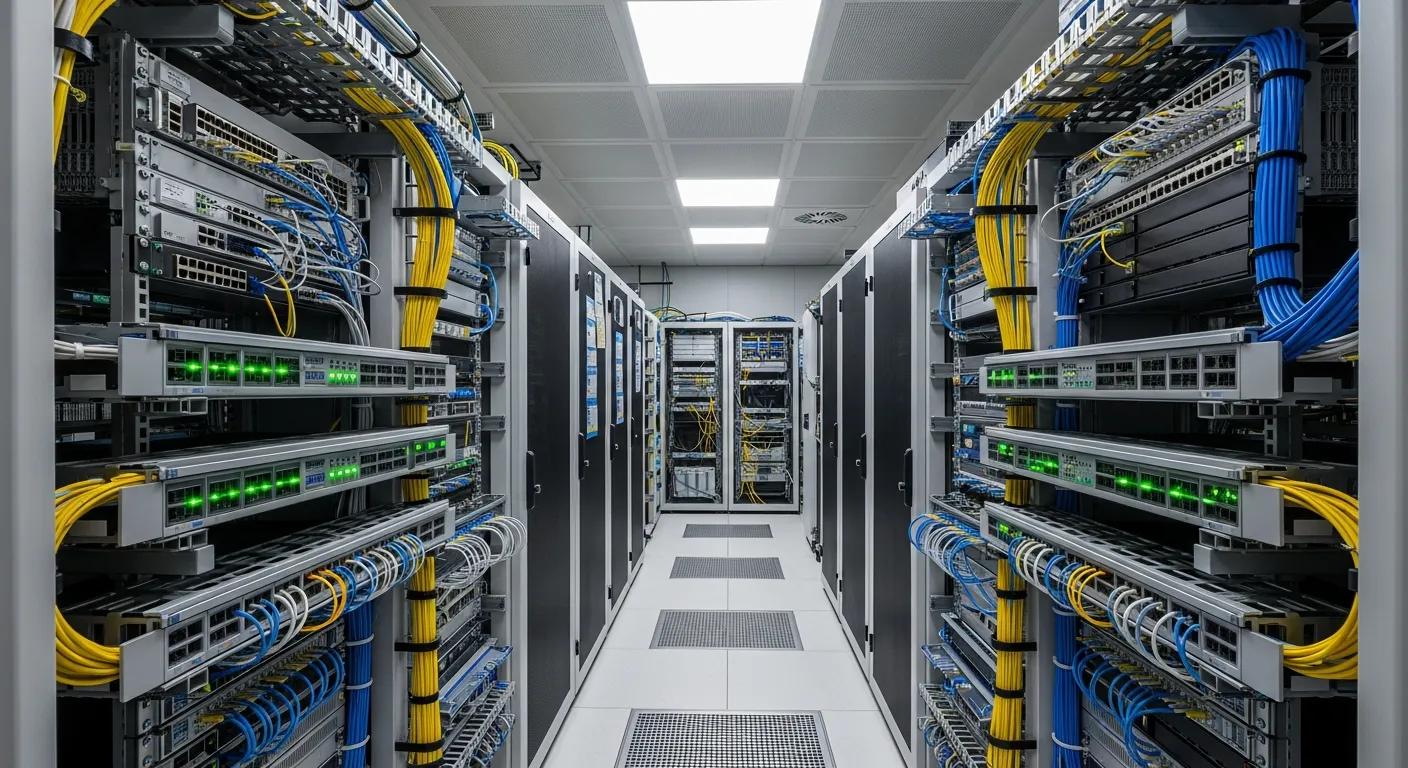
How Much Does Structured Cabling Cost in San Antonio?
Structured cabling is the backbone of modern business networks. For San Antonio companies, knowing the real costs of installing and upgrading cabling helps you plan for reliable performance and sensible budgeting. This guide breaks down the factors that drive price—cable types, installation needs, and local pricing—so you can make choices that protect uptime and lower your total cost of ownership.
Below we’ll walk through: what structured cabling is and why it matters, the variables that affect installationcost, typical price ranges in San Antonio, ways to improve ROI, and how to get accurate, on-site quotes.
What Is Structured Cabling and Why Is It Essential for San Antonio Businesses?
Structured cabling is a standardized approach to wiring a building so data, voice, and video systems work reliably together. For businesses in San Antonio, a well-planned cabling system means fewer outages, faster troubleshooting, and smoother upgrades—key factors for operational efficiency and consistent service delivery. See our solutions for how we apply these standards.
Beyond day-to-day reliability, structured cabling gives you flexibility. As your team grows or new technology arrives, a scalable cabling backbone lets you add capacity without major rework. Meeting industry standards also protects safety and performance over the life of the installation.
What Are the Main Types of Structured Cabling: Cat6, Cat6A, and Fiber Optic?
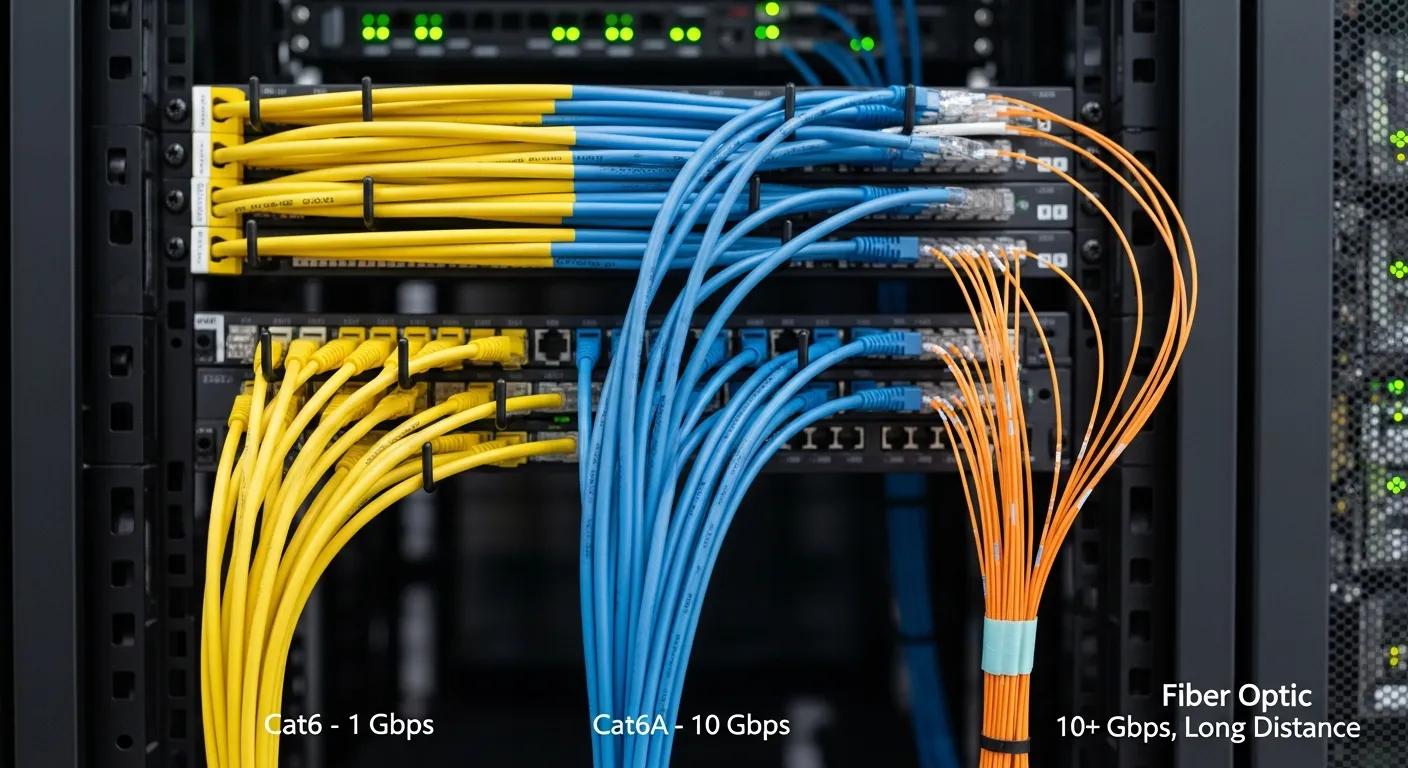
The most common choices are Cat6, Cat6A, and fiber optic cabling—each fits different needs and budgets.
Cat6 Cabling: Supports up to 1 Gbps at distances up to 100 meters. It’s a practical, cost-effective option for many small and mid-size offices.
Cat6A Cabling: An upgraded copper option that handles up to 10 Gbps over 100 meters—better for high-density or performance-sensitive environments.
Fiber Optic Cabling: Uses light to move data. Fiber offers far greater speeds and distance than copper and is ideal for heavy bandwidth requirements or long runs.
Cat6A is increasingly common for IoT and other data-heavy applications, but quality and correct handling during installation are critical to realize its benefits.
Cat 6A Cabling: Cost Savings, Quality, and Installation Factors
The use of augmented category 6 (Cat 6A) in Ethernet-enabled Internet of Things (IoT) infrastructure continues to grow due to the high demand for services requiring such configuration. The increasing demand for Cat 6A over Ethernet is due to its ability to transmit both data and power to devices used in IoT which is cost-saving. However, the availability of counterfeit and substandard cables in the market disguised as category-rated cables is of great concern to cable installers and engineers. There is also the basic problem of handling stress anticipated during installation as cables could be manipulated in the form of repeated coiling and uncoiling. Toughness of augmented cables for ethernettechnology assessment, O Ogundapo, 2024
Each option has clear trade-offs—balance initial cost against performance needs and expected growth to pick the right fit for your business.
How Do Industry Standards and Compliance Affect Structured Cabling?
Standards from organizations like the Telecommunications Industry Association (TIA) and the Electronic Industries Alliance (EIA) define how cabling should be installed and tested. Following these standards reduces risk and ensures predictable performance across vendors and equipment.
Working with certified installers often adds to upfront expense but lowers long-term risk by reducing failures, avoiding rework, and keeping your infrastructure ready for future upgrades.
Which Key Factors Influence Structured Cabling Installation Costs in San Antonio?
Installation costs vary based on cable choice, building size and layout, labor complexity, and how many network drops you need.
How Do Cable Type and Performance Impact Pricing?
Cable selection is a major cost driver. Fiber optic runs and higher-grade copper (like Cat6A) generally cost more in materials and labor than standard Cat6. Still, investing in higher-performance cabling can delay costly upgrades and lower maintenance over time.
When budgeting, weigh current needs against future growth so you don’t overpay now or overspend later to retrofit capacity.
What Role Do Building Size, Layout, and Number of Network Drops Play in Cost?
The building’s footprint and complexity matter. Larger facilities need more cable and more labor; multi-story layouts or obstacles (chases, existing HVAC, or limited access points) increase installation time and cost.
Also consider drop count: more drops mean more terminations and testing—each one adds to the total. A site survey will give a realistic estimate based on your space.
What Are the Average Structured Cabling Costs in San Antonio? Pricing Ranges and Estimates
Use these local pricing ranges to build a preliminary budget. Final costs depend on site conditions and design choices.
What Is the Typical Cost Per Linear Foot and Per Network Drop?
Typical San Antonio pricing for cabling ranges from about $0.50 to $2.00 per linear foot, depending on the type of cable used. Network drops generally cost between $150 and $350 each, with variations based on complexity and materials. Cat6 cabling is the most affordable option, running $0.50 to $1.00 per foot and $150 to $250 per drop. Cat6A offers higher performance at a moderate price, costing $1.00 to $1.50 per foot and $200 to $300 per drop. For the highest speed and bandwidth, fiber optic cabling is the premium choice, priced at $1.50 to $2.00 per foot and $250 to $350 per drop.
How Do Project Sizes Affect Overall Structured CablingPricing?
Smaller installs often carry higher per-drop costs because fixed labor and mobilization fees are spread across fewer points. Larger projects usually lower the average drop price through economies of scale.
Plan for your future needs now—scaling during an initial install is typically more cost-effective than piecemeal upgrades later.
How Can San Antonio Businesses Maximize ROI and Minimize Total Cost of Ownership?
To protect ROI, focus on professional installation, durable materials, and future-proof design choices. These reduce downtime, simplify maintenance, and delay costly refresh cycles.
Research shows structured cabling investments can lower operating costs and improve long-term network value.
Structured Cabling: Cost Reduction & ROI Benefits
The construction of structured cabling systems gives customers an advantage in functionality and reliability, reducing the cost of operation, which forms the basis for maximizing the The role of integrated structured cabling system (ISCS) for reliable bandwidth optimization in high-speed communicationnetwork, J Logeshwaran, 2022
Why Is Professional Installation Critical for Long-Term Network Reliability?
Certified installers follow best practices for routing, termination, and testing—steps that prevent frequent failures and speed troubleshooting. Cutting corners during installation often leads to higher maintenance costs and unexpected downtime.
Spending a bit more up front for skilled labor can save significantly over the system’s life.
How Does Future-Proofing Your Network Reduce Hidden Costs and Downtime?
Future-proofing means planning for higher traffic, additional devices, and easier moves/adds/changes. That might mean higher-spec cabling or extra spare capacity today to avoid disruptive upgrades tomorrow.
Proactive design minimizes unplanned outages and lowers the total cost of ownership across the network’s lifetime.
How Do You Get an Accurate Structured CablingQuote in San Antonio?
Requesting an on-site assessment is the fastest way to get a precise quote. Use the link to schedule an appointment with a local specialist.
What to Expect During a Site Survey and Consultation Process?

During a site survey, a technician maps your layout, inspects existing infrastructure, measures cable runs, and identifies installation constraints. That information lets us provide a realistic, itemized estimate that avoids surprises.
A thorough survey ensures your quote matches the actual work required and protects your budget from hidden costs.
Which Questions Should You Ask Your Structured Cabling Contractor?
What is your experience with structured cabling installations?
Can you provide references from previous clients?
What warranties or guarantees do you offer on your work?
How do you handle unexpected issues during installation?
Frequently Asked Questions
What are the benefits of using fiber optic cabling over coppercabling?
Fiber delivers higher speeds, much greater bandwidth, and longer run lengths without signal loss. It’s immune to electromagnetic interference and better suited for heavy-data environments like media, cloud services, or campuses. While initial costs can be higher, fiber often pays off through improved performance and reduced long-term upgrades.
How can businesses ensure compliance with industry standards for structured cabling?
Work with certified installers and insist on materials that meet TIA/EIA specifications. Ask for testing reports and documentation after installation, and schedule periodic audits to keep systems compliant as technology and requirements evolve.
What are the common mistakes to avoid when planning a structured cabling project?
Avoid underestimating cable lengths, ignoring future expansion, and picking the wrong cable type for your needs. Skimping on professional installation can lead to costly rework—plan with experienced integrators from the start.
How does the choice of cabling affect network performance?
Cabling determines maximum speeds, signal integrity, and supported device density. Higher-spec cabling like Cat6A or fiber handles faster connections and more concurrent traffic. Using outdated or low-quality cabling can cause slower speeds, higher latency, and frequent faults.
What factors should be considered when selecting a structured cabling contractor?
Check experience, certifications, client references, and warranty terms. Verify their testing and documentation practices, and confirm how they manage unexpected challenges during installation.
What is the impact of networkdowntime on business operations?
Downtime disrupts productivity, can halt sales, and erodes customer trust—often costing far more than the investment needed to prevent it. A reliable structured cabling system and professional installation are foundational to minimizing these risks.
Conclusion
Structured cabling is a strategic investment for San Antonio businesses. Understanding the cost drivers and planning for future needs helps you maximize ROI and avoid surprise expenses. Work with experienced professionals who follow industry standards to build a reliable, scalable network. Ready to optimize your infrastructure? Explore our structured cabling services today.
