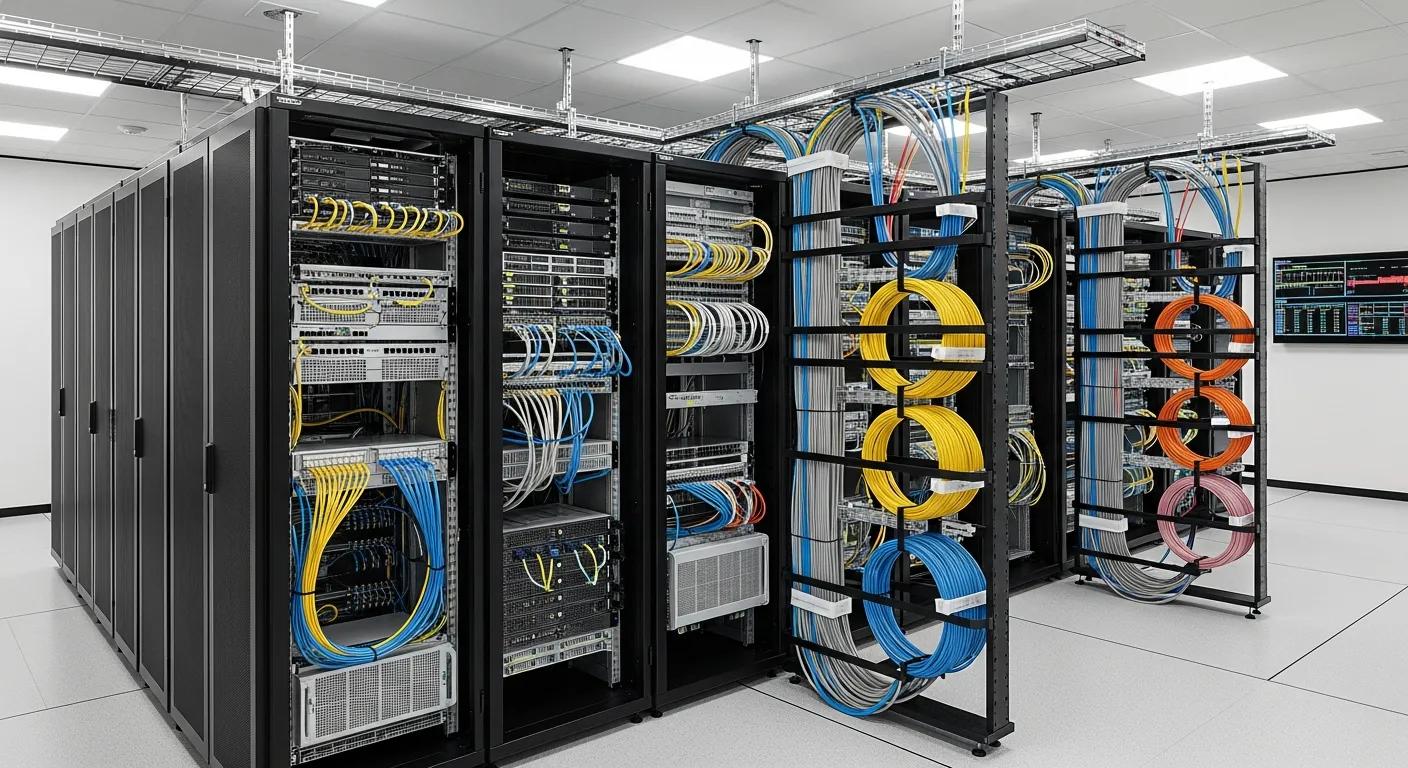
Choosing the Right Structured Cabling Contractor in SA
Picking the right structured cabling contractor makes a big difference for San Antonio businesses that need a dependable network. Here we walk you through what structured cabling does, why it matters, and how to pick a contractor who delivers reliable, scalable results. Structured cabling is the backbone of your network — it keeps voice, data, and security systems running smoothly. Many organizations still rely on outdated wiring that slows performance and limits growth. By learning the core components, common options, compliance needs, and cost drivers, you’ll be able to choose a solution that fits your operations. We’ll also explain why Evolution Technologies is a local partner businesses trust.
What Is Structured Cabling and Why Is It Essential for San Antonio Businesses?
Structured cabling is a standard approach to wiring and connectivity that supports multiple systems and devices across a building or campus. It gives you a predictable, organized foundation that’s easier to maintain and expand as technology changes. For businesses that depend on constant connectivity, a well-designed cabling system boosts reliability and performance while reducing service interruptions.
Industry definitions reinforce that structured cabling is modular, flexible, and built to evolve as needs change.
Understanding Generic Structured Cabling Systems
Generic cabling is a flexible, modular information-transmission system used inside or between buildings. It connects voice, data, video, and switching equipment to internal systems and to outside networks. The definition covers the cabling itself plus the connection hardware between network endpoints and equipment. Generic systems can include a variety of transmission media and connection components — distribution frames, connectors, jacks, plugs, adapters, and electrical protection devices. Subsystems work together but have distinct roles, which makes the overall system straightforward to deploy and easier to upgrade as needs evolve. Cabling Engineering, 2022
How Does Structured Cabling Support Network Reliability and Scalability?
Structured cabling reduces downtime by giving your network a consistent, tested architecture that supports higher speeds and predictable performance. Because the system is organized and modular, adding capacity or new services is less disruptive — you can expand without rebuilding. That means as your company grows, your wiring can grow with you, keeping operations efficient and stable.
What Are the Key Components of Structured Cabling Systems?
The main parts of a structured cabling system are the cables themselves, connection hardware, and supporting equipment like patch panels and racks. Each plays a role in secure, efficient data flow: fiber and copper cables carry signals over different distances, connectors and terminations link devices, and proper racks and panels keep everything labeled and serviceable.
How to Evaluate and Select a Certified Low Voltage Contractor in San Antonio

Hiring a certified low-voltage contractor ensures your cabling is installed to industry standards and performs as expected. Certified installers bring the skills and processes needed to handle complex runs, cable management, testing, and documentation — all of which protect your investment.
Why Is BICSI Certification Important for Structured Cabling Contractors?
BICSI certification shows a contractor understands best practices for designing and installing telecom infrastructure. Technicians with BICSI training follow standards that help ensure safety, performance, and long-term reliability, so you can feel confident the job meets professional benchmarks.
What Local Expertise and Responsiveness Should You Expect?
Local knowledge matters. A San Antonio contractor who knows local codes, typical building challenges, and climate-related concerns can propose smarter, more durable solutions. Equally important is responsiveness — a dependable partner should answer questions, schedule work promptly, and keep your project on track. If you need a consultation, schedule an appointment with Evolution Technologies to discuss specifics and timelines.
What Types of Structured Cabling Are Best for Your Business Needs?
Different cabling choices suit different needs. Reviewing your bandwidth requirements, building layout, and budget will point you to the best option — whether that’s copper, fiber, or a hybrid approach. Learn the pros and cons so you can match infrastructure to business goals.
How Do Fiber Optic and Cat6 Cabling Compare for Performance and Cost?
Fiber optic cables deliver higher bandwidth and longer distance performance than Cat6, making them ideal for backbone runs or high-capacity needs. Cat6 is typically more affordable and perfectly suitable for most in-building connections and shorter runs. Choose based on speed, distance, and long-term plans rather than upfront price alone.
Which Cabling Solutions Support VoIP and IP Security Cameras Effectively?
Both Cat6 and fiber can support VoIP and IP camera systems. For typical office deployments, Cat6 provides reliable performance at a lower cost. Fiber is the better choice when you need to cover long distances or expect heavy bandwidth use from many cameras or high-resolution streams.
How Do Compliance and Industry Standards Impact Structured Cabling in Regulated Sectors?
If your business operates in regulated industries like healthcare or finance, cabling decisions must support compliance. Following recognized standards and documenting installations helps protect data and meet regulatory audits.
What Are the Key TIA/EIA and HIPAA Requirements for San Antonio Businesses?
TIA/EIA standards (for example, TIA-568) set performance and installation guidelines for structured cabling. Healthcare organizations also need to follow HIPAA rules for protecting patient information, which affects how networks are designed and secured. Ensuring your cabling supports secure, auditable data flows is essential.
How Can Contractors Ensure PCI-DSS and Other Regulatory Compliance?
Experienced contractors build compliance into the design and installation: secure pathways, proper grounding, tested terminations, and clear documentation. Regular testing and staying current with standard updates help maintain compliance with PCI-DSS and other rules that apply to your industry.
What Are the Cost Factors and Budget Considerations for Structured Cabling in San Antonio?

Knowing what drives cost helps you plan a realistic budget. Project scope, material choices, labor complexity, and certification testing are the main factors that influence total price.
How Do Installation, Materials, and Testing Influence Overall Costs?
Installation labor varies with complexity — tight spaces, ceiling work, or long cable runs increase time and cost. Higher-grade materials cost more up front but can reduce maintenance and deliver longer useful life. Thorough testing and certification validate performance, which may add to initial costs but prevents future failures.
What Should You Expect Regarding Transparent Billing and Project Timelines?
A trustworthy contractor provides a clear estimate that outlines labor, materials, testing, and any contingencies. They should also give a realistic timeline and communicate proactively about changes so you can plan around the work and avoid surprises.
Why Choose Evolution Technologies as Your Structured Cabling Partner in San Antonio?
When you compare contractors, look for a company that combines technical skill with local service. Evolution Technologies brings hands-on experience with small and mid-sized businesses, practical designs, and ongoing support to keep your network reliable and easy to manage.
What Unique Value Propositions Does Evolution Technologies Offer?
We provide end-to-end IT and structured cabling solutions tailored to SMBs: assessment, design, clean installation, testing, and documentation. Our focus is on durable installations that minimize future headaches and scale with your business.
How Do Client Testimonials Reflect Our Commitment to Quality and Support?
Client testimonials consistently mention our responsiveness, technical know-how, and the practical improvements our cabling work delivers. Those stories are the best proof that we stand behind our installations and service.
Cost Factors for Structured Cabling in San Antonio
When budgeting for structured cabling, businesses should consider three primary cost categories that provide a realistic framework for planning. Installation typically represents the largest expense, with labor costs for setting up cabling systems ranging from $1,000 to $5,000. Materials, including cables, connectors, and hardware, add another $500 to $3,000 depending on the scale and quality of components selected. Finally, testing and certification of the system, which ensures reliability and compliance, generally costs between $200 and $1,000. Together, these categories give organizations a clear picture of the investment required to implement a dependable cabling infrastructure.
Benefits of Structured Cabling
Structured cabling delivers measurable advantages for business networks and future planning.
Improved Network Performance: Organized cabling reduces errors and supports higher data speeds, lowering downtime.
Scalability: A modular design makes it straightforward to add devices or capacity as needs grow.
Cost-Effectiveness: Quality cabling and proper installation reduce ongoing maintenance and troubleshooting costs.
Together, these benefits make structured cabling a strategic investment for companies that rely on stable, growing networks.
Frequently Asked Questions
What are the common mistakes to avoid when selecting a structured cabling contractor?
Don’t skip credential checks — confirm certifications like BICSI and ask for references. Review project photos or case studies to confirm workmanship, and make sure the contractor understands local codes and building conditions. Also insist on written testing and documentation so you know exactly what you’re buying.
How long does a typical structured cabling installation take?
Timeline depends on size and complexity. Small office installs can take a few days; larger builds or multi-floor projects can take several weeks. Expect the contractor to factor site access, pathway work, and testing into their schedule and provide a clear timeline before work begins.
What maintenance is required for structured cabling systems?
Routine visual checks and keeping pathways tidy are usually sufficient. Periodic testing and labeling audits can catch problems early. If you spot damaged cables, loose terminations, or performance drops, address them promptly — and consider scheduled maintenance from your contractor to stay ahead of issues.
Can structured cabling support future technologies?
Yes. A properly designed system uses standards and spare capacity so you can upgrade equipment or add services without redoing the whole infrastructure. Plan for expected growth and higher bandwidth needs when designing your system.
What should businesses consider regarding warranty and support for cabling systems?
Ask what the warranty covers (materials and labor) and how long it lasts. Confirm post-installation support and who handles troubleshooting. A clear service-level agreement and documented warranty give you protection if issues arise after installation.
How can businesses ensure their cabling system is energy efficient?
Choose energy-efficient hardware and consider fiber where appropriate — it can use less power for high-bandwidth links. Good cable management reduces signal loss, which helps devices operate more efficiently. Periodic reviews to retire outdated equipment also improve overall energy use.
Conclusion
Choosing the right structured cabling contractor in San Antonio starts with understanding your needs, verifying credentials, and planning for growth. A well-designed cabling system improves performance, simplifies maintenance, and protects your technology investment. If you’re ready to explore options, Evolution Technologies can assess your site and recommend a practical, scalable solution. Reach out to learn how we can help optimize your network.
